
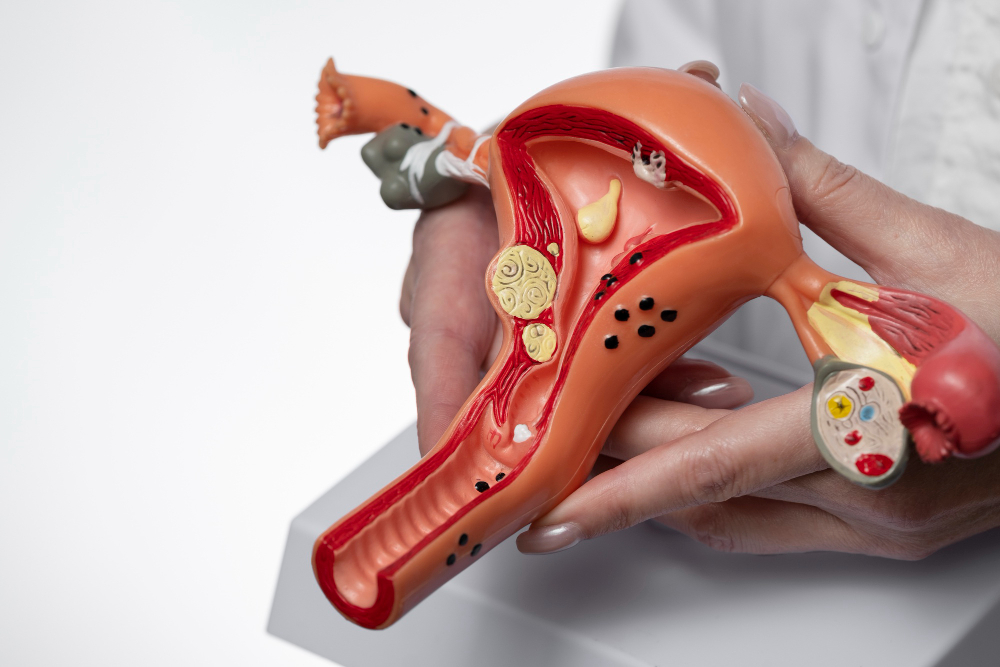
What Are Menstrual Disorders?
Menstrual disorders are problems related to a woman’s monthly period. These issues can include heavy periods, painful cramps, or irregular cycles. For example, some women may bleed more than usual or have periods that last longer. Uterine fibroids are a common cause of menstrual disorders. They are non-cancerous growths in the uterus. Because these conditions can affect daily life, it is important to understand their causes and symptoms.
Uterine Fibroids: Causes and Symptoms
Uterine fibroids are lumps that grow in the wall of the uterus. Although they are not cancer, they can cause problems. The exact cause is not clear, but hormones and family history may play a role. According to the CDC, up to 80% of women may develop fibroids by age 50.
Sometimes, fibroids do not cause any symptoms. However, when they do, the signs can affect daily comfort and health.
Heavy Periods: Causes and Symptoms
Heavy periods, also called menorrhagia, mean bleeding that is much more than normal. Often, women need to change pads or tampons every hour. Heavy periods can have many causes. For instance, uterine fibroids, hormone changes, or certain health conditions can lead to heavy bleeding.
Because heavy periods can cause anemia, it is important to seek help if you notice these symptoms.
Diagnosis of Menstrual Disorders
Doctors use several steps to find the cause of menstrual disorders. First, they ask about your period history and symptoms. Next, they may do a physical exam. Sometimes, tests like ultrasound or blood work are needed. For example, an ultrasound can show if you have uterine fibroids. Blood tests can check for anemia or hormone problems. Early diagnosis helps find the best treatment for you.
Treatment Options for Uterine Fibroids and Heavy Periods
Treatment depends on your symptoms and health needs. Some women do not need treatment if symptoms are mild. However, if symptoms are severe, doctors may suggest:
Because each woman is different, your doctor will help choose the best option. The CDC and WHO recommend regular check-ups for women with abnormal uterine bleeding.
Lifestyle Tips and Prevention
While not all menstrual disorders can be prevented, some lifestyle changes may help. For instance, eating a healthy diet and staying active can support your overall health. In addition, managing stress and getting enough sleep may help balance hormones. Here are some tips:
Because early action can make a difference, talk to your doctor if you notice changes in your period.
When to See a Doctor
It is important to seek medical help if you have:
Early treatment can prevent problems and improve your quality of life. Therefore, do not wait to get help if you have concerns.
In summary, menstrual disorders like uterine fibroids and heavy periods can affect many women. Because early diagnosis and treatment are important, consult a gynecologist for personalized advice on menstrual disorders.