
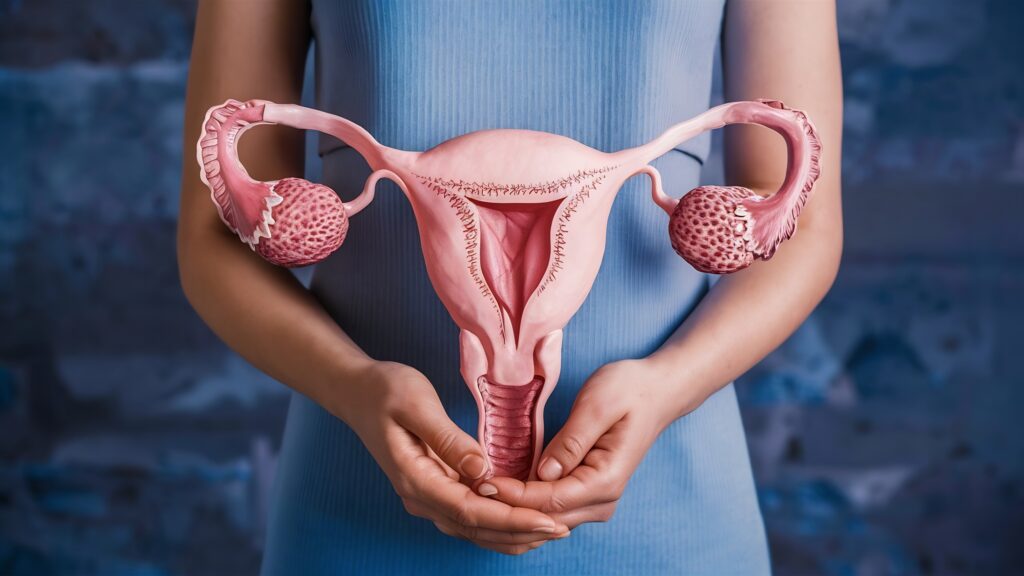
Introduction to Endometriosis
Endometriosis is a health condition that affects many women. It happens when tissue, similar to the lining inside the uterus, grows outside the uterus. This tissue can cause pain and other problems. In the United States, endometriosis affects about 1 in 10 women of reproductive age, according to the World Health Organization (WHO). Because endometriosis symptoms can be confusing, it is important to know what to look for. Early signs of endometriosis can help you get the right care sooner.
Common Symptoms of Endometriosis
Many women do not realize they have endometriosis at first. However, some signs are common. If you notice these symptoms, it may be time to talk to your doctor. Here are the most common endometriosis symptoms:
Sometimes, symptoms can be mild. But for some women, they can be severe. Either way, knowing how to recognize endometriosis is important for your health.
When to Seek Medical Help
If you notice any of these symptoms, you should not ignore them. For example, if your periods are very painful or you have pain during sex, it is a good idea to see a doctor. Also, if you have trouble getting pregnant, talk to a women’s health specialist. Early signs of endometriosis can be managed better with quick action. Remember, many women wait years before getting a diagnosis. Do not wait if you are worried.
How Endometriosis is Diagnosed
Doctors use several steps to diagnose endometriosis. First, they will ask about your symptoms and medical history. Next, they may do a pelvic exam to check for signs. Sometimes, an ultrasound or MRI can help find problem areas. In some cases, a minor surgery called laparoscopy is needed. This lets the doctor look inside your belly and see the tissue directly. Although it may sound scary, these steps help find the best treatment for you.
Lifestyle Tips for Symptom Management
While there is no cure for endometriosis, some lifestyle changes can help manage symptoms. Here are some tips:
Additionally, support from friends or a women’s health group can make a big difference.
Prevention and Early Detection
Currently, there is no sure way to prevent endometriosis. However, knowing the early signs of endometriosis can help you get care sooner. For example, if you notice changes in your period or pain that does not go away, talk to your doctor. Early detection can lead to better treatment and less pain over time.
Reliable Sources and Further Reading
Conclusion
In summary, endometriosis symptoms can affect your daily life. But with early recognition and the right care, you can manage them. If you notice any signs, do not wait. Consult a specialist for personalized guidance.